
Alongside publishing our own practice-based evidence, we work in partnership with universities, schools, families and professionals to strengthen the evidence base for feeding development, Paediatric Feeding Disorder (PFD), and inclusive food education.
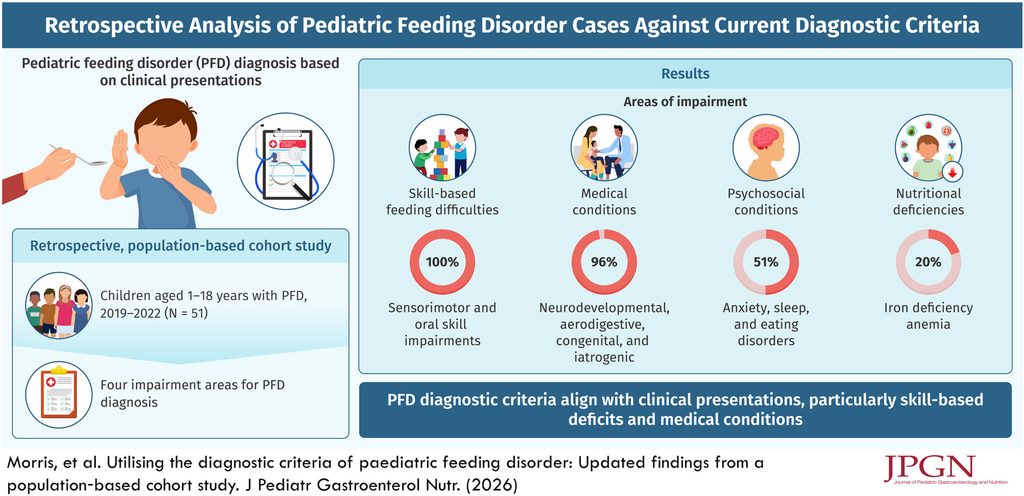
Our research showed that:
- Feeding skill difficulties were present in all children with PFD and may be recognised less often than other features.
- Neurodevelopmental and gastrointestinal conditions were common alongside feeding difficulties.
- Most children had multiple overlapping factors affecting feeding, rather than a single cause.
- Better recognition of feeding skills, alongside medical and developmental factors, may improve diagnosis and support.
Morris NR, Daw H, Bates L, Horniblow RD. Utilising the diagnostic criteria of paediatric feeding disorder: updated findings from a population-based cohort study. J Pediatr Gastroenterol Nutr. 2026; 82: 33-41. Read the full paper here
The Paediatric Feeding Disorder (PFD) Community of Participation 2025
More than 100 professionals, researchers, families, and organisations worked together across an eight-month process to develop a shared vision for improving support for children with PFD.
There was strong agreement that children with feeding difficulties need:
- clearer and more consistent diagnosis;
- earlier identification and intervention;
- access to multidisciplinary support;
- better trained workforces across health, education, and community settings;
- improved access to services regardless of where they live;
- greater recognition of family and lived experience in decision-making;
- more research and better data to inform practice and policy.
Presented at the EACD Conference 2026 in Dublin, the outcome was a national Position Paper and recommendations to support wider recognition of PFD and improve care for children and families.

Improving Outcomes for Children with Paediatric Feeding Disorder
In partnership with researchers at University College London (UCL), we are conducting two practice-based research projects examining outcomes from a specialist family-centred transdisciplinary feeding service. These studies explore how targeted intervention can support children and young people with Paediatric Feeding Disorder across the medical, nutritional, feeding-skill and psychosocial domains.
The first study examines feeding-skill development and functional outcomes following intervention, while the second focuses on psychosocial outcomes, participation, and family-centred goal attainment. Both studies are currently in press and contribute to the emerging evidence base for transdisciplinary approaches to PFD intervention.
Evaluating the Eating as Learning (EaL) Curriculum
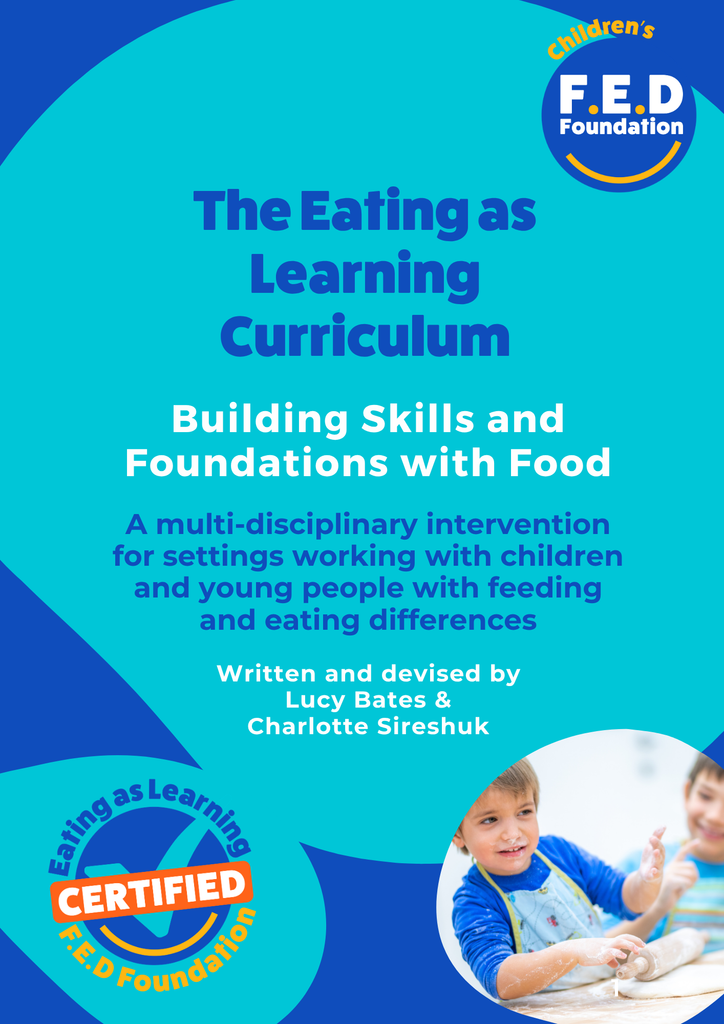
The Foundation is undertaking ongoing practice-based research into the effectiveness of the Eating as Learning (EaL) Framework and Curriculum in primary special schools.
This work examines how practical, inclusive food education can support feeding development, participation, emotional regulation, self-help skills, social interaction and confidence around food. Early findings from participating schools suggest positive impacts for pupils, staff and families, alongside increased confidence among school teams supporting children with feeding differences.
Research in Development
We are actively seeking partnerships with schools, universities, healthcare professionals, local authorities, and families to expand the evidence base for feeding, education, and development. Through collaborative research, we aim to create practical solutions that improve outcomes for children across the UK.
If you are interested in collaborating on a research project, get in touch. Add hyperlink